
Kratom Facts
#DYK | kratom can affect memory, mood, and even breathing?

Kratom use can affect your brain and body (impacting memory, mood, and even breathing) so protect your development and choose to stay healthy.
Myth
Kratom products aren’t a big deal and is perfectly safe.
➥
Fact
Kratom usage can have multiple negative effects on your brain and body. Using kratom can cause nausea, dizziness, trouble breathing, faster or slower heartbeat, anxiety, irritability, memory problems, depression, and physical, social, or chemical dependence.
Myth
It’s natural, so it’s safe.
➥
Fact
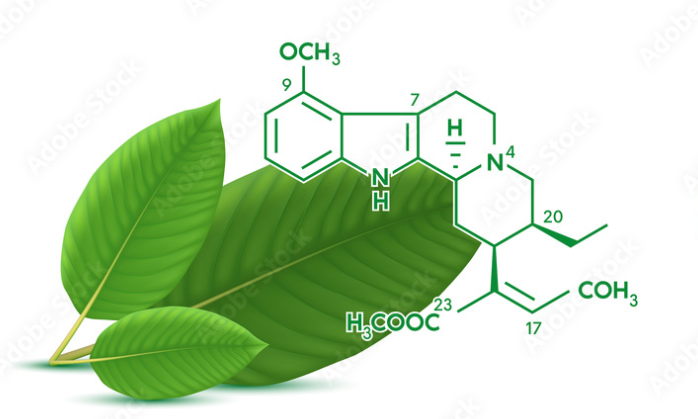
While Kratom does come from a tree, there is no oversight into how it is made, what other compounds it contains, and how strong it is. It is not approved for medicinal use in the US, so there is virtually no regulation surrounding it’s manufacturing, which is a big problem!
Myth
Kratom only comes in capsules.
➥

Fact
Kratom can be processed into different product types, including pills, powders, and drinks. It can vary wildly in color, and can easily be mistaken for other drugs. It can also come in unassuming packaging, especially packaging designed to make you think it is perfectly harmless. This couldn’t be further from the truth!
If you see someone who may be overdosing on drugs, immediately call 911!
Remember Good Samaritan Law
Learn More
Parents learn more at TalkNowAZ.com
Need to Talk to someone?
Whether it has been a bad day, or you just need someone to listen, reach out now. Talk or text 24/7 with these resources designed to support youth:
-
911 Emergency Services
-
988 Crisis Lifeline
-
Poison Control: 1-800-222-1222
-
State Crisis Line: 844-534-4673
-
OAR Line: 1-888-688-4222
Sources: NIDA, CDC, SAMHSA
This publication was made possible by grant number H79TI083320 from SAMHSA. The views, opinions and content of this publication are those of the author and do not necessarily reflect the views, opinions, or policies of SAMHSA or HHS.
